Transmission Repair
Specialists
That Bouncing, Pulling, or Clunking Is Your Suspension Asking for Help
Quick Takeaways
- Delayed engagement when shifting from park to drive is an early warning sign that should not be ignored.
- European transmissions are highly sensitive to fluid specification — using generic ATF instead of the correct manufacturer fluid causes internal damage over time.
- Audi’s DSG mechatronic unit failure is one of the most common and most overlooked European transmission repairs, with parts and labor costs of $1,000–$2,000 or more if caught late.
- BMW’s ZF 8-speed is a reliable unit but requires ZF LifeGuardFluid 8 specifically — fluid changes every 50,000 miles are strongly recommended.
- Tesla has no traditional multi-speed transmission — drive unit issues are a separate diagnostic category from gearbox service.
Expert European Auto Transmission Services & Repairs for Hellertown Drivers
A transmission problem rarely announces itself all at once. It starts with a slight hesitation when shifting from park to drive, or an RPM surge that does not translate into acceleration. Those small signals are your car telling you something is wrong. At JCL Automotive in Hellertown, PA, we diagnose and repair transmissions on Audi, BMW, Mercedes-Benz, and Tesla vehicles using factory-grade scan tools and manufacturer-specified fluids. Whether your car runs a conventional automatic, a dual-clutch unit, or a single-speed EV drivetrain, we have the tools and the expertise to find the problem and fix it right.
Quality Service for the Top European Brands
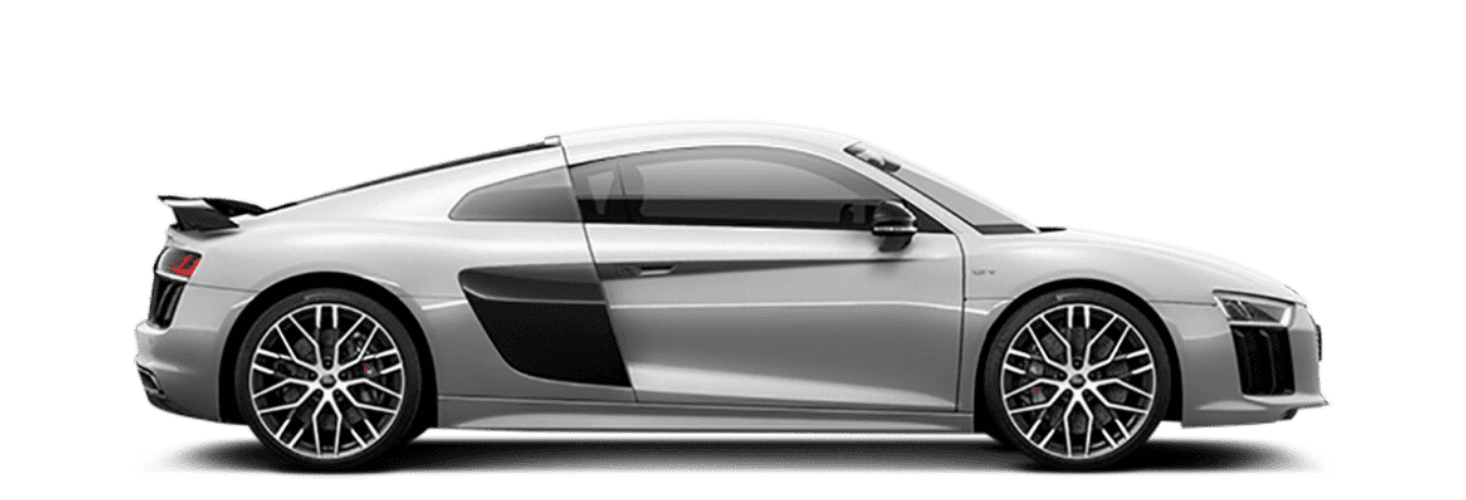
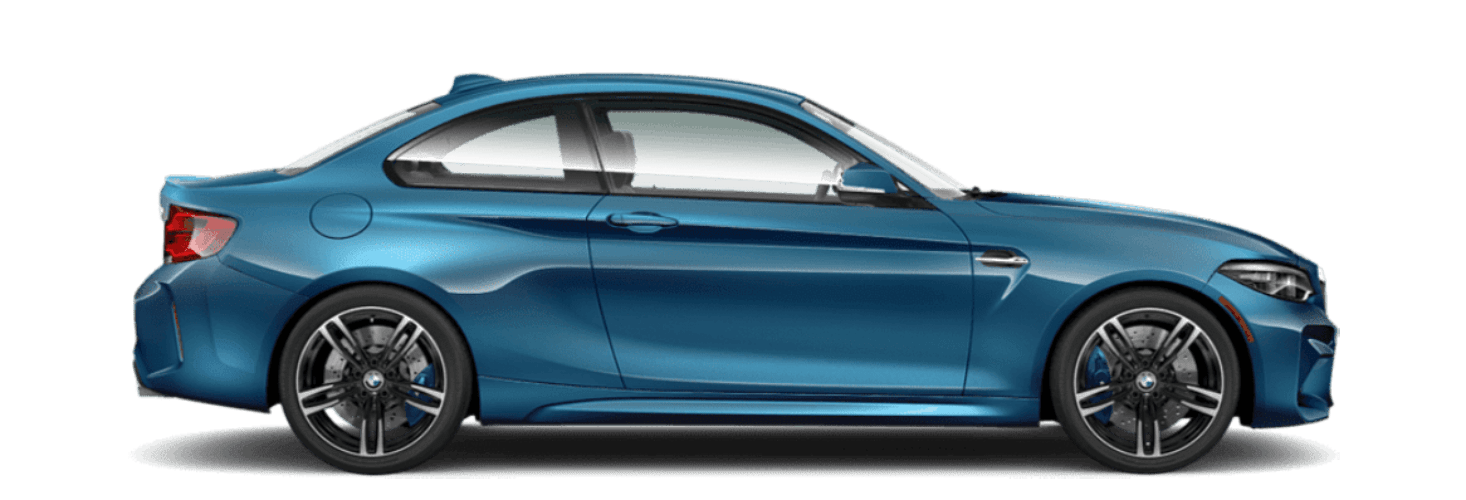
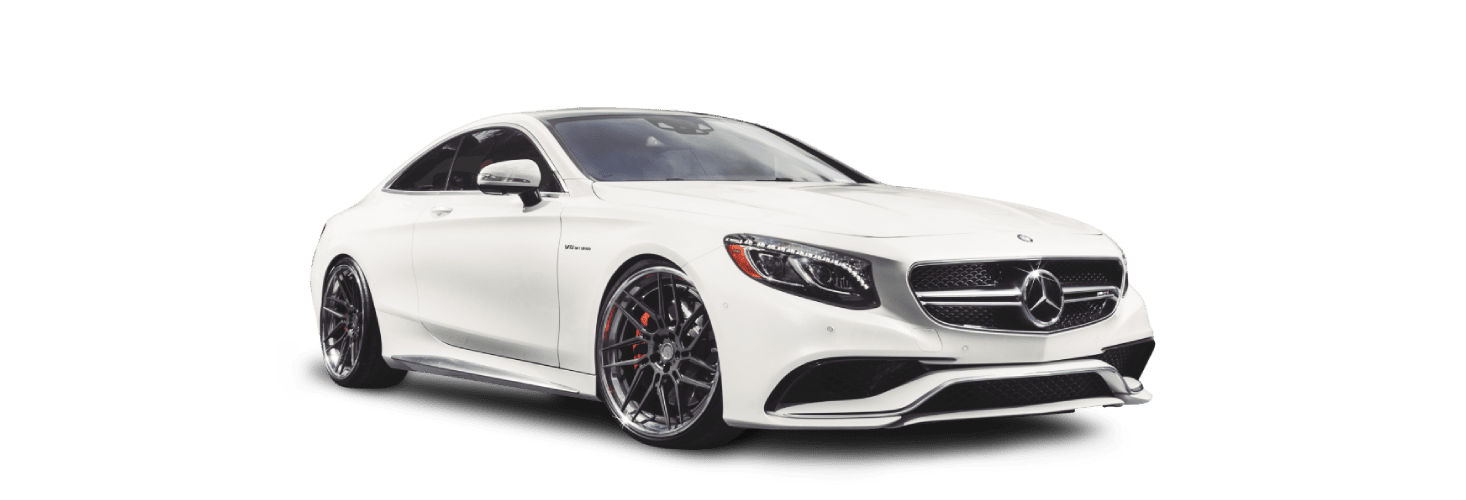
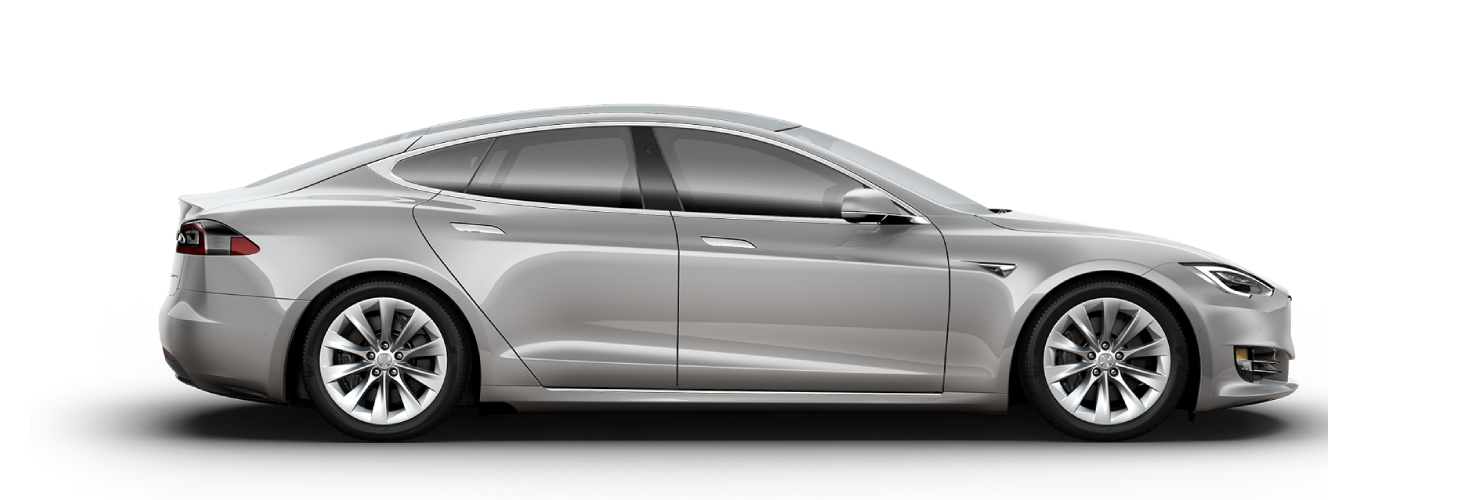
At JCL Automotive, our certified mechanics have decades of experience working with European vehicles. We welcome domestic & foreign cars but specialize in all models of:
Transmission Issues Specific to Audi, BMW, Mercedes & Tesla
Each brand has its own transmission architecture — and its own predictable failure points.
BMW
The ZF 8-speed automatic found in most modern BMWs is a dependable unit, but it is highly sensitive to fluid specification. Only ZF LifeGuardFluid 8 or a certified equivalent should be used — generic ATF accelerates wear and causes torque converter shudder. That shudder is common on higher-mileage examples. M cars with DCT transmissions require fluid changes every 30,000 to 40,000 miles — an interval BMW does not prominently advertise.
Audi
The DSG mechatronic unit is the most frequent failure point across the DSG lineup. The mechatronic is the combined hydraulic and electronic control module. When it fails, symptoms include jerky shifts, hesitation between gears, or refusal to engage. Repair runs $1,000 to $2,000 or more. DSG fluid changes every 40,000 miles are critical — and are frequently skipped, which leads directly to premature mechatronic failure.
Mercedes-Benz
The 7G-Tronic and 9G-Tronic automatic transmissions are sensitive to fluid degradation, especially under the thermal stress of towing or sustained high-speed driving. Torque converter shudder is a known pattern on higher-mileage examples. AMG SPEEDSHIFT DCT units share service requirements with BMW DCT transmissions and need the same attentive fluid change intervals.
Tesla
Model S, 3, X, and Y all use a single-speed reduction gearbox rather than a traditional multi-speed transmission. Drive unit failures — grinding, vibration, or whining under acceleration — are separate from gearbox lubrication issues and require Tesla-specific diagnostics to isolate correctly. Gear fluid should be changed approximately every 50,000 miles.
Why European Transmissions Require Specialist Service
Modern European vehicles come with a range of drivetrain configurations, and each one has different service requirements and failure modes.
- Traditional automatic: Uses a torque converter and a planetary gear set. Found in most Mercedes-Benz models and many Audi and BMW configurations. Requires the exact manufacturer-specified automatic transmission fluid — not a universal substitute.
- Dual-clutch (DCT/DSG): Uses two clutch packs to pre-select the next gear for near-seamless shifts. Found in Audi DSG, BMW M DCT, and AMG SPEEDSHIFT units. More mechanically complex than a traditional automatic and extremely sensitive to fluid condition and change intervals.
- Single-speed EV drivetrain: Tesla and other electric vehicles use a single-speed reduction gearbox rather than a multi-speed transmission. There are no gear shifts, but the drive unit’s gear fluid still degrades and requires periodic service — typically every 50,000 miles.
The single most common cause of preventable transmission failure across all of these platforms is neglected maintenance. European transmission fluid degrades faster under hard driving conditions, and manufacturer-published service intervals are often longer than what the transmission actually needs in real-world use.
Transmission Warning Signs You Shouldn't Ignore
Any of the following symptoms warrants prompt diagnosis:
- Delayed engagement — a 1 to 3 second lag before the car moves after shifting from park to drive
- Slipping under acceleration — RPMs climb but vehicle speed does not increase proportionally
- Hard, jerky, or rough shifts between gears
- Grinding or whining noise while in gear or during a shift
- Burning smell, especially after highway driving or heavy stop-and-go traffic
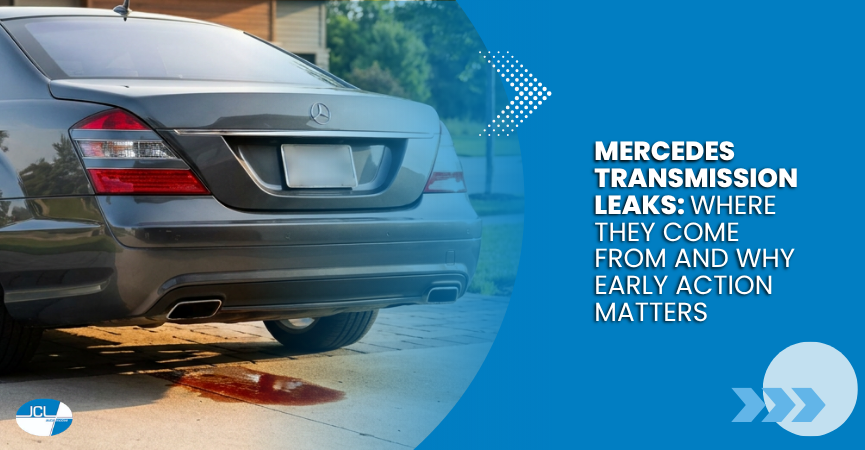
- Red or reddish-brown fluid pooling under the vehicle
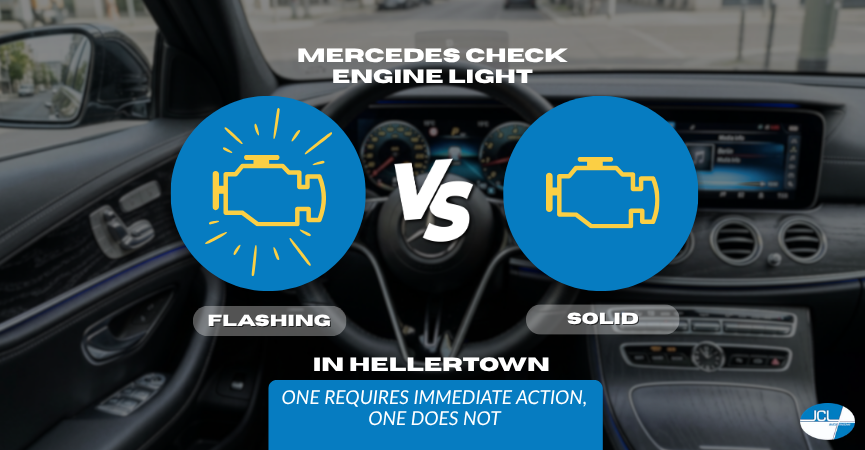
- Illuminated check engine light or a dedicated transmission warning light
A factory-level scan tool reads manufacturer-specific transmission fault codes that a standard OBD-II reader cannot see. This is why European transmission diagnosis at a specialist shop produces more accurate results than a general oil-change chain or a quick-scan service.
What JCL Automotive Includes in Every Transmission Service
Every transmission service at JCL begins with a factory-level fault code scan — not a generic OBD-II scan, but the full manufacturer-specific data that identifies exactly where the problem originates. We follow that with a road test to evaluate shift quality, engagement timing, and any symptoms under real load.
Fluid service at JCL uses only the correct manufacturer-specified fluid for your vehicle. We do not use universal ATF on DSG, ZF 8HP, or Mercedes 7G-Tronic units. If you also need engine repair in Hellertown, we can address both systems in one visit and keep your diagnostic costs down.
Mercedes owners dealing with 7G-Tronic or 9G-Tronic concerns can learn more about our full capabilities on the Mercedes repair specialists page — we carry the Star Diagnostic equipment needed for proper Mercedes transmission service.
We serve customers from throughout the Lehigh Valley. If you are coming from the Easton area, our European auto repair near Easton page has directions and additional details.
All work is backed by our 24-month/24,000-mile nationwide warranty. We offer same-day service whenever scheduling allows.
Do Not Wait on Transmission Problems — Call JCL Automotive Today
Reach us at (484) 851-3390 or visit us at 70 Main Street, Hellertown, PA 18055. We are open Monday through Friday, 8:30 AM to 6:00 PM. Same-day service is available when scheduling allows. Proudly serving Hellertown, Allentown, Bethlehem, Easton, and Quakertown.
Frequently Asked Questions About Transmission Repair
What are the warning signs of a failing transmission?
Key symptoms include delayed engagement when shifting from park to drive, slipping under acceleration where RPMs rise but speed does not follow, rough or hard shifts, grinding or whining noise while in gear, a burning smell after driving, red or brown fluid beneath the vehicle, and a check engine or transmission warning light. Catching a transmission issue early is almost always significantly less expensive than waiting until the transmission fails completely.
Is it worth repairing the transmission on a high-mileage European car?
Often yes — particularly for Audi, BMW, and Mercedes vehicles, which hold their value well when properly maintained and are expensive to replace. Whether it makes sense depends on the overall condition of the vehicle and the nature of the fault. Some repairs, like a fluid service or a solenoid replacement, are straightforward and cost-effective. Others are more involved. We give you the full picture after diagnosis so you can make an informed decision without pressure.
How often should transmission fluid be changed on a BMW, Audi, or Mercedes?
Manufacturer intervals are often longer than real-world conditions actually require. A practical guideline: every 40,000 miles for DSG and DCT transmissions, every 50,000 to 60,000 miles for ZF 8-speed and Mercedes 7G/9G automatics, and every 50,000 miles for Tesla reduction gear fluid. If you drive aggressively, tow regularly, or deal with heavy stop-and-go traffic, shorter intervals are a smart investment.
Can JCL Automotive diagnose and repair Tesla drive unit issues?
Yes. We carry the diagnostic tools needed to read Tesla powertrain fault codes and differentiate between gearbox wear, motor faults, and inverter issues. Tesla drive unit failures present differently from conventional transmission problems and require a different diagnostic approach. We service Model S, 3, X, and Y and are familiar with the known failure patterns across all four platforms.